Category:Sharing: Difference between revisions
unknown (talk) Tag: Rollback |
|||
| (7 intermediate revisions by 3 users not shown) | |||
| Line 1: | Line 1: | ||
* See also: [[Introduction to the P2P Foundation Wiki Material about Sharing]] | |||
Sharing is a concept with competing meanings (it is simply defined by [[Wikipedia: Sharing]] as just "the joint use of a resource or space"). But at the P2P Foundation, we sharply distinguish what we consider real sharing (which may involve the joint construction and management of [[Commons]]), from simply exchanging goods and services for money over a privately owned platform. The [[Sharing Economy]] is therefore a concept which confuses sharply different practices. | Sharing is a concept with competing meanings (it is simply defined by [[Wikipedia: Sharing]] as just "the joint use of a resource or space"). But at the P2P Foundation, we sharply distinguish what we consider real sharing (which may involve the joint construction and management of [[Commons]]), from simply exchanging goods and services for money over a privately owned platform. The [[Sharing Economy]] is therefore a concept which confuses sharply different practices. | ||
==Key Quote== | ==Key Quote== | ||
| Line 24: | Line 18: | ||
* For examples including immaterial resources, see (e.g.): [[Participatory Challenge]]; [[Labor Gifting and Sharing]]; [[One Couch at a Time]]; [[Time Banks]] | * For examples including immaterial resources, see (e.g.): [[Participatory Challenge]]; [[Labor Gifting and Sharing]]; [[One Couch at a Time]]; [[Time Banks]] | ||
Commercial rental is not covered here, as that is just the resource being used by several people, with the ownership and control remaining entirely with a single entity (individual or business), | |||
which | which extracts a profit from the rental. | ||
When private resources are being 'shared' through a platform, as in the well-known cases of AirBnB, Uber, Taskrabbit and other similar arrangements, the situation is less clear. While many people see these as belonging to the [[Sharing Economy]], others see it as more like commercial rental, with the ownership of the resources being outsourced. | |||
To get a better sense of the different meanings of sharing, we recommend: | |||
* getting a sense of the relational grammar developed by Alan Page Fiske, see: [[Relational Model Typology - Fiske]], which distinguishes the gift economy, commoning, authority ranking and market pricing, as four ways to distribute resources in a society. | |||
* an explanation of the four basic categories of the emerging 'sharing economy', on Youtube [https://www.youtube.com/watch?v=KMV4cqRgV6Q]; for supporting text and graph, see: [[Four Future P2P Scenarios]]. We distinguish four formats for the so-called [[Sharing Economy]], i.e.: [[Netarchical Capitalism]], [[Distributed Capitalism]], [[Resilient Communities]] and [[Global Commons]] | |||
* Our proposed alternatives to the mainstream sharing economy based on private platforms is [[Platform Cooperativism]] and [[Open Cooperatives]] | |||
* Friends of the P2P Foundation who are working on a better understanding and better practices for a true sharing economy: [[Ouishare]], [[Shareable]] | |||
==Useful learning resources== | ==Useful learning resources== | ||
| Line 34: | Line 37: | ||
===Deeper Study=== | ===Deeper Study=== | ||
* [[Introduction to the P2P Foundation Wiki Material about Sharing]] compiled by [[Michel Bauwens]] ''(ex category page)'' | * [[Introduction to the P2P Foundation Wiki Material about Sharing]] compiled by [[Michel Bauwens]] ''(ex category page)'' | ||
* [[Four Future P2P Scenarios]] | |||
*# [[Netarchical Capitalism]] | |||
*# [[Distributed Capitalism]] | |||
*# [[Resilient Communities]] | |||
*# [[Global Commons]] | |||
===Critical Material=== | ===Critical Material=== | ||
| Line 48: | Line 56: | ||
* [[:Category: Cooperation]] | * [[:Category: Cooperation]] | ||
* [[:Category: Cooperatives]] ; [[:Category: Platform Cooperatives]] | * [[:Category: Cooperatives]] ; [[:Category: Platform Cooperatives]] | ||
* [[:Category: Economics]] | |||
* [[:Category: Participation]] | * [[:Category: Participation]] | ||
Latest revision as of 14:04, 2 March 2020
Sharing is a concept with competing meanings (it is simply defined by Wikipedia: Sharing as just "the joint use of a resource or space"). But at the P2P Foundation, we sharply distinguish what we consider real sharing (which may involve the joint construction and management of Commons), from simply exchanging goods and services for money over a privately owned platform. The Sharing Economy is therefore a concept which confuses sharply different practices.
Key Quote
While Kevin Carson here is referring primarily to goods, this can also be applied to information resources.
"Sharing is a way of maximizing the utilization of idle productive goods owned by individuals. Just about any tool or appliance you need for a current project, but lack, is probably gathering dust on the shelf of someone within a few blocks of where you live. If the pooling of such idle resources doesn’t seem like much of a deal for the person with the unused appliances, keep in mind first that he isn’t getting anything at all out of them now, second that he may trade access to them for access to other people’s tools that he needs, and third that the arrangement may increase the variety of goods and services he has to choose from outside the wage system." - [1]
Key Concepts of This Category
Most discussion of sharing focuses around material resources being shared by more than one private owner, though sharing also extends to participation, time and labour.
- For examples of sharing major material resources, see (e.g.): Carsharing; Bikesharing; Cohousing.
- For examples including immaterial resources, see (e.g.): Participatory Challenge; Labor Gifting and Sharing; One Couch at a Time; Time Banks
Commercial rental is not covered here, as that is just the resource being used by several people, with the ownership and control remaining entirely with a single entity (individual or business), which extracts a profit from the rental.
When private resources are being 'shared' through a platform, as in the well-known cases of AirBnB, Uber, Taskrabbit and other similar arrangements, the situation is less clear. While many people see these as belonging to the Sharing Economy, others see it as more like commercial rental, with the ownership of the resources being outsourced.
To get a better sense of the different meanings of sharing, we recommend:
- getting a sense of the relational grammar developed by Alan Page Fiske, see: Relational Model Typology - Fiske, which distinguishes the gift economy, commoning, authority ranking and market pricing, as four ways to distribute resources in a society.
- an explanation of the four basic categories of the emerging 'sharing economy', on Youtube [2]; for supporting text and graph, see: Four Future P2P Scenarios. We distinguish four formats for the so-called Sharing Economy, i.e.: Netarchical Capitalism, Distributed Capitalism, Resilient Communities and Global Commons
- Our proposed alternatives to the mainstream sharing economy based on private platforms is Platform Cooperativism and Open Cooperatives
- Friends of the P2P Foundation who are working on a better understanding and better practices for a true sharing economy: Ouishare, Shareable
Useful learning resources
Introductory
Deeper Study
- Introduction to the P2P Foundation Wiki Material about Sharing compiled by Michel Bauwens (ex category page)
- Four Future P2P Scenarios
Critical Material
Related Categories
Related Concepts
- Category: Commons
- Category: Collaborative Economy
- Category: Community
- Category: Cooperation
- Category: Cooperatives ; Category: Platform Cooperatives
- Category: Economics
- Category: Participation
Providing the essential provisions for human life through sharing/commoning
- Category: Agrifood: Air Water Food
- Category: Manufacturing: Clothing and Products
- Category: Energy
- Category: Health Care
- Category: Housing and Shelter
- Category: Transportation
Pages in category "Sharing"
The following 200 pages are in this category, out of 825 total.
(previous page) (next page)A
- Access Economy
- Access Platforms
- Access Trumps Ownership
- Accounting with Antirival Tokens
- Acts of Sharing
- ADDress - Japan
- Airbnb
- Airbnb and Gentrification Through the Sharing Economy
- Albert Canigueral
- Albert Cañigueral
- Alex Steffen on the Shareable Future of Cities
- Alpha Lo on Gift Circles
- Alternative Pricing Models
- Ample Harvest
- Andreas Hartl on the Role of Data in the Growth of Platforms
- Anne-Sophie Novel
- Anne‐Sophie Novel
- Anthropology and the Economy of Sharing
- April Rinne
- Asset Sharing
- Asset-Sharing Movement
- Association for Community Networking
- Associative Economics
- Associative Garages
- Australian Sharing Law Network
B
- Babysitting Cooperative
- Barter
- Barter Networks
- Barter Trade
- BarterBee
- Be Welcome
- Bicycle Cooperative
- Bicycle Sharing System
- Bid and Borrow
- Bike Kitchen
- Bike Kitchen Bratislava
- Bike Kitchens
- Bike Sharing for the Disabled
- Bike Sharing Maps of Cities
- Bike-Sharing World Map
- Bikesharing
- Book Commons
- Book Crossing
- Book Renting
- Book Swapping
- BookMooch
- Borrowing Hubs
- Borrowing Shops
- Box Sharing Car
- Brent Hoberman on Investment in Collaborative Consumption
- Buffer Vehicles as Commons in a Carpooling System
- Building Trust in P2P Marketplaces
- Business of Sharing in the UK
- Business to Consumer Sharing, Consumer to Consumer Sharing, and Business to Business Sharing
C
- California Law AB5
- Cambio
- CameraLends
- Campbell Mithun on Sharing Attitudes 2012
- Car Journey Sharing
- CarNearUs
- Caroline Woolard
- Carpooling
- Carrotmob
- Carshare Parking Quotas
- Carsharing
- CarSharing Association
- Carsharing Directory
- Carsharing Policy
- Casey Fenton on the CouchSurfing Experience
- Cash Mobs
- CITIE Framework for Indicators for Sharing Cities
- City-Owned Sharing and Exchange Platforms
- Clothing Exchange
- Clothing Swap
- Clothing Swaps
- Co-Gardening Matching Services
- Co-Living Spaces
- Co-oking
- Co-opportunity
- Co-Revolution
- Coalition of Artists and Share Holders
- Cohere - Global Member-Owned Coliving Community
- Cohousing
- Cohousing Directory
- Coliving
- Collaboration Platform Projects
- Collaborative Chats
- Collaborative Consumption
- Collaborative Consumption - Business Models
- Collaborative Consumption Global Curators
- Collaborative Consumption Groundswell Video
- Collaborative Consumption Marketplaces
- Collaborative Consumption Self-Insurance Platform
- Collaborative Cooking
- Collaborative Eating
- Collaborative Economy - Concept
- Collaborative Economy in France
- Collaborative Filtering
- Collaborative Fund
- Collaborative Investment Research
- Collaborative Lab
- Collaborative Lifestyles
- Collaborative Map of Online Collaboration Tools
- Collaborative Platforms, Labor and Social Protection
- Collaborative Shipping Network
- Collaborative Technology
- Collaborative Territories Toolkit
- Collaborative Writing Tools
- Collaboratively Speaking with Shelby Clark of RelayRides
- Collective Food Buying Groups
- Commercialized Sharing
- Common Security Clubs
- Commons - Prosperity by Sharing
- Commons Balance of the Platform Collaborative Economy
- Commons Hospitality Network
- Commons Video
- Communal Sharing Theory
- Communalization of Housework
- Communitarian Provisioning
- Communitarian Relationships Model
- Communitarian Sharing Lifestyles
- Community Bike Shop
- Community Bike Shops
- Community Bike Shops - Business Models
- Community CarShare
- Community Connect Trade Association
- Community Currency for Seed Exchange
- Community Exchange System
- Community Farming
- Community Kitchens
- Community Land Trusts
- Community Supported Kitchens
- Community Swap Meets
- Community Trading Software
- Community-Based Tools in Science
- Community-Oriented Skillsharing Sites
- Comunitats
- Concurrent Estate
- Consumo Colaborativo
- Cooperation Law
- Cooperation Studies
- Cooperative Auto Network
- Cooperative Intelligence
- Cooperative Resilience in the Wake of Disasters
- Copyright, Ethics and Theft
- Corporate Localism
- CouchSurfing
- Country of PIOU
- Covivi
- Cow-Share
- CoWheels Car Club
- Coworfing
- Coworking
- Coworking Directories
- Coworking Wiki
- Cowpooling
- Craftster
- Craig Shapiro
- Craigslist
- Crashpadder
- Creating Shared Value
- Creative Commons Gems
- Creative Commons Image Collections
- Creative Commons Music Resources
- Creativity in Fashion and Digital Culture
- Creed of Sharing
- Critical Material on the Sharing Economy
- Crop Sharing
- Cropmobster
- CropMobster
- Crowd-Based Insurance Startups
- Crowd-Shipping
- Crowdsourced Consumer Research
- Crowdsourced Translation
- Cryptocurrencies and What They Mean for Sharing
- Cul-De-Sac Commune
- Culture and the Economy in the Internet Age
- Cultures and Ethics of Sharing
- Customer Ecosystems
D
- Dan Schawbel on the Emerging Collaborative and Sharing Mentalities of the Millenial Generation
- Daniel Hengeveld of NeighborGoods on Co-Sharing
- Daniel Noble on DriveMyCar P2P Carsharing
- Daniella Jaeger on Kickstarter
- Dare To Ask
- Darren Sharp
- Darren Sharp on the Sharing Economy
- Data Commons Project
- Dave Rand on Micro-Volunteering
- David Gurteen on Incentivizing Sharing in Knowledge Management
- David Halpern on Collaborative Consumption
- Dean Shareski on the Shariness Factor and Sharing as a Moral Imperative
- Defining the Sharing vs the Collaborative vs the Participatory Economy
- Demand Sharing
- Denise Cheng on the Constellation of Actors in the Sharing Economy
- Discrimination and Inequality in the Sharing Economy
- DIY Fractional
- Does Sharing Personal Information Create a New Public Realm
- Drive My Car Rentals
Media in category "Sharing"
This category contains only the following file.
-
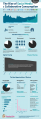 Social Media And Collaborative Consumption.png 1,024 × 2,964; 402 KB
